Everything About Oil Field Equipment and Pipeline Equipment: Secret Insights and Essential Information
Oil field equipment and pipeline systems play an essential role in the oil and gas market. They are necessary for the efficient extraction and transport of hydrocarbons. Trick elements, such as drilling rigs and tank, straight influence functional success. Improvements in modern technology pledge to improve safety and effectiveness. Comprehending these components is important for anyone associated with or interested in this intricate sector, as it sets the phase for much deeper expedition of industry methods.
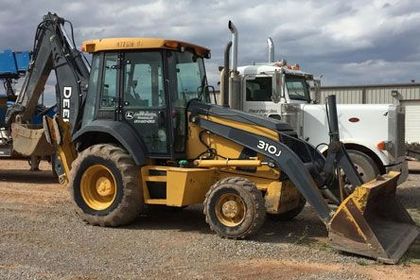
Summary of Oil Field Equipment
As the demand for oil proceeds to grow, understanding the devices utilized in oil areas ends up being increasingly essential. Oil field equipment encompasses a vast variety of machinery and tools essential for exploration, removal, and handling. Trick elements include drilling rigs, which are critical for getting to oil storage tanks, and production devices, such as separators and pumps, that facilitate the extraction process. Superior Rentals Contact. Additionally, storage containers play a substantial role in holding crude oil prior to transport. Safety and security devices, including blowout preventers and pressure gauges, guarantees functional safety and security and performance. Each piece of equipment features cohesively to optimize manufacturing and keep reliable workflow. Knowledge with this tools is necessary for professionals in the sector to assure successful procedures and adherence to safety criteria
Kinds of Drilling Rigs and Their Applications
Drilling rigs work as the backbone of oil extraction operations, with different types developed for particular geological conditions and functional needs. The most usual types include rotating exploration rigs, which make use of a rotating drill bit to permeate the earth, and cable device rigs, known for their percussion exploration approach. For overseas procedures, jack-up rigs and semi-submersible rigs offer stability and assistance in aquatic atmospheres. Additionally, directional boring rigs enable drivers to pierce at angles, reaching deposits that are not vertically available. Each rig type has unique advantages, optimizing effectiveness and safety based on the boring environment. Picking the ideal rig is essential for maximizing resource removal while minimizing environmental impact and operational costs.

Crucial Pipeline Equipment and Their Features
Pipeline framework is vital for the transportation of oil and gas from removal websites to processing facilities and end-users. Numerous important devices elements promote this procedure. Pipelines themselves offer as the main avenues, made to withstand high pressure and corrosive substances. Pump terminals are important for maintaining circulation by boosting stress along the pipeline. Valves play an important function in managing circulation and separating sections for maintenance. In addition, fittings and connectors ensure safe joints between pipe areas. Checking systems, consisting of flow meters and pressure sensors, are important for discovering leakages and enhancing circulation rates. Pigging tools is utilized for maintenance and cleansing, securing pipeline integrity and effectiveness. With each other, these elements develop the foundation of a trusted pipeline system.
Innovations and Technologies in Oil and Gas Equipment

Safety and Upkeep Practices in the Oil Sector
While the oil market has made substantial strides in technology and performance, the value of durable safety and maintenance techniques can not be overemphasized. Efficient security methods are vital to shield workers and the atmosphere, lessening the threat of crashes bathtub drain pipe leaking and spills. Regular examinations and upkeep of tools help determine prospective concerns prior to they escalate, making sure operational honesty. Educating programs for workers are essential, stressing the value of safety and security awareness and emergency response procedures. Additionally, adherence to market regulations and standards fosters a culture of safety and security. Carrying out sophisticated surveillance technologies can even more boost maintenance techniques, enabling real-time analyses of tools problems. Inevitably, prioritizing security and maintenance is essential to the sustainability and success of the oil market.
Frequently Asked Concerns
What Are the Environmental Effects of Oil Field Equipment?
The ecological effects of oil field equipment include environment devastation, water contamination, and air pollution (Superior Oilfield Rentals). Furthermore, tools breakdown can bring about spills, negatively influencing wildlife and communities, highlighting the need for rigid policies and tracking
Exactly How Is Oil Field Equipment Moved to Remote Locations?
Delivering oil field equipment to remote places often includes specialized automobiles, helicopters, or barges. Logistics business coordinate courses, making certain tools arrives securely and successfully, thinking about surface and availability to lessen hold-ups and take full advantage of productivity.
What Regulative Criteria Govern Oil Field Equipment?
Regulatory criteria governing oil field equipment mainly include safety and security, environmental management, and functional performance guidelines. Agencies such as OSHA and EPA implement these laws to guarantee safe techniques and reduce ecological influence in oil extraction operations.
What Skills Are Needed to Run Oil Area Equipment?

Just How Do Oil Prices Impact Equipment Demand and Usage?
Oil rates substantially influence equipment need and usage. Higher prices normally cast iron plumbing replacement result in enhanced expedition and manufacturing activities, driving need for equipment. Alternatively, sewer line service reduced rates might cause lowered operations and decreased requirement for equipment.